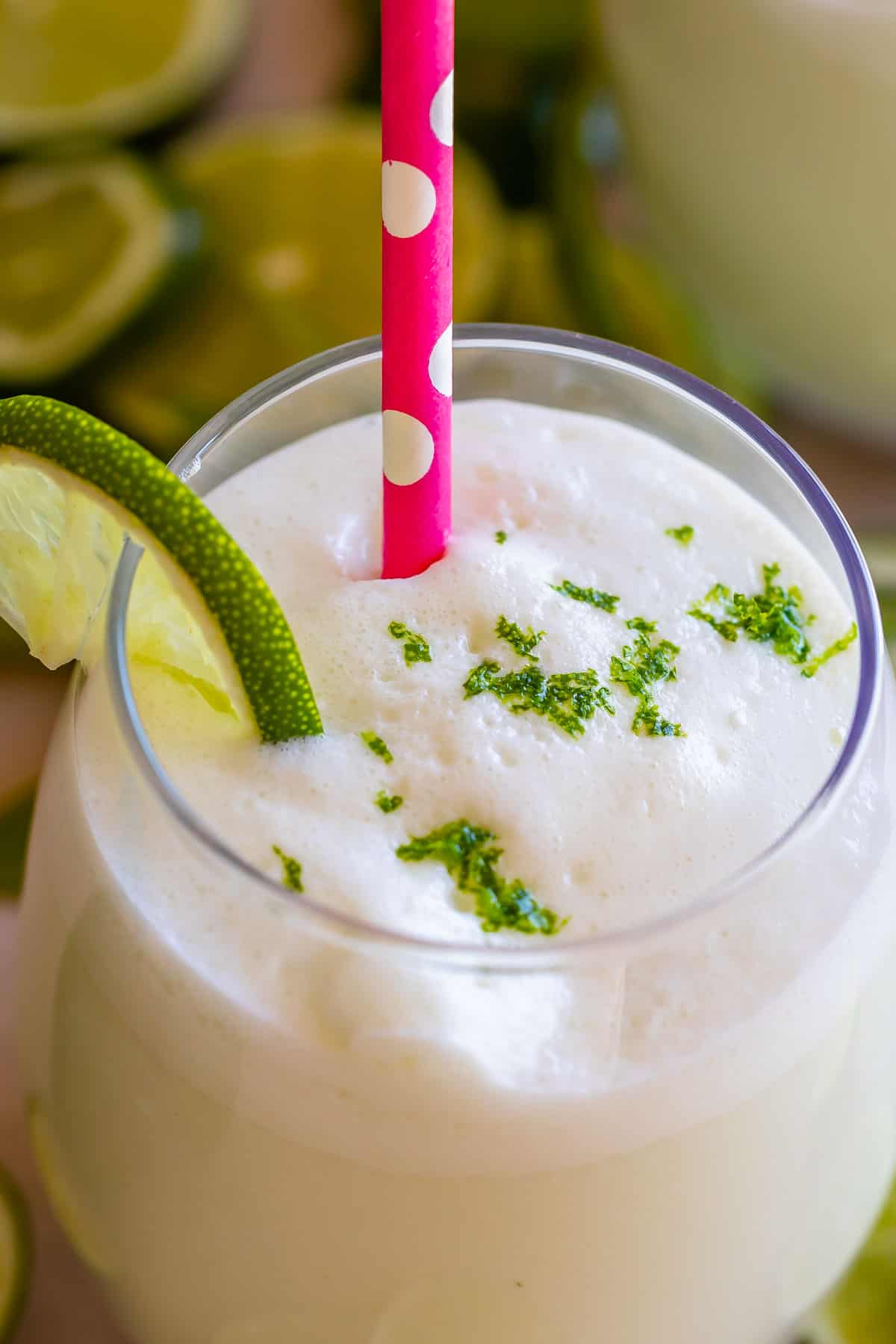
The Secret to Creamy Brazilian Limeade: Condensed Milk & Key Lime Pie Taste
Imagine a drink that effortlessly combines the zesty brightness of lime with an unbelievably smooth, rich creaminess. It’s tart, it’s sweet, it’s refreshing, and it leaves you wondering how something so simple can taste so utterly decadent. This isn't your average limeade; this is Brazilian Limeade, a unique beverage that has captured hearts with its distinctive flavor profile, often likened to a glass of liquid key lime pie. At the heart of its magic lies a single, unassuming ingredient: sweetened condensed milk.
Known in Brazil as limonada suiça, or "Swiss Lemonade" (a curious name whose origins remain a delicious mystery), this creamy concoction stands apart from its American counterparts. While traditional limeades rely on sugar and water, the Brazilian version introduces a velvety richness that transforms it into an entirely different experience. Perfect for a warm summer day, a festive gathering, or simply a treat to brighten your afternoon, creamy Brazilian Limeade is a family-friendly, non-alcoholic delight that promises to become a new favorite.
What Makes Brazilian Limeade So Irresistible? The Condensed Milk Secret
The allure of Brazilian Limeade lies primarily in its ingenious use of sweetened condensed milk. This ingredient isn't just a sweetener; it's a game-changer, imparting a luxurious texture and a depth of flavor that ordinary sugar simply cannot achieve. When blended or vigorously mixed with fresh lime juice and water, the condensed milk emulsifies, creating a cloudy, milky hue and a frothy head that beckons you to take a sip.
The result is a drink that strikes a perfect balance between tart and sweet, with an underlying creaminess that makes each sip incredibly satisfying. This unique combination is precisely why many describe the taste as remarkably similar to key lime pie. The acidity of the fresh limes cuts through the richness of the condensed milk, preventing it from being overly sweet, while the vanilla (a secret weapon for many seasoned creators of this drink) adds another layer of aromatic complexity that truly elevates the flavor profile. It's a symphony of tastes that dances on your palate.
Interestingly, despite its name, Brazilian Limeade is almost exclusively made with limes, not lemons. The confusion often stems from the Portuguese word for "lemon," which is "limão" – a term that in Brazil frequently refers to what we know as lime. This linguistic nuance is why you might hear it called "Brazilian Lemonade," even though limes are the undisputed star of the show. To dive deeper into this fascinating linguistic twist and other misconceptions, be sure to read our article on Creamy Brazilian Limeade: Unpacking the "Lemonade" Misnomer.
Crafting Your Own Creamy Brazilian Limeade: A Step-by-Step Guide
Creating your own batch of creamy Brazilian Limeade is surprisingly simple, often requiring just five core ingredients: fresh limes, sweetened condensed milk, water, a touch of sugar (optional, as the condensed milk is already sweet), and a splash of vanilla extract. There are two primary methods for preparing this delightful beverage, each with its own advantages.
The Blender Method: Authentic & Frothy
This technique is favored by many for its authenticity and the wonderfully frothy texture it produces. It involves blending whole limes (typically quartered) with water and ice. The rind's oils contribute a slight, pleasant bitterness that complements the sweetness and acidity, adding depth to the overall flavor.
- Process: Quarter the limes (skin on), add them to a blender with cold water and ice. Blend briefly until the limes are broken down but not pulverized. Over-blending can release too much bitterness from the rind.
- Straining: Immediately strain the mixture through a fine-mesh sieve to remove all pulp and rind particles. This step is crucial for a smooth drink.
- Finish: Pour the strained liquid back into the blender or a pitcher. Add the sweetened condensed milk, sugar (if using), and vanilla extract. Blend again briefly (or whisk vigorously) until thoroughly combined and frothy.
Tip: For optimal flavor, use fresh, bright green limes that feel heavy for their size, indicating they're juicy. Rolling them on a counter before cutting can also help extract more juice.
The Juiced Method: Easier, Cleaner Taste
If you prefer a simpler approach or want to avoid any potential bitterness from the lime rind, the juiced method is an excellent alternative. This version focuses solely on the fresh lime juice.
- Process: Juice the limes using a reamer or a juicer until you have the desired amount of fresh lime juice.
- Combine: In a pitcher, combine the fresh lime juice, sweetened condensed milk, water, sugar (if using), and vanilla extract.
- Mix: Whisk vigorously until all ingredients are well combined and the mixture is smooth and slightly frothy. You can also use a blender for this step, adding ice for an extra chill and frothiness.
Regardless of the method, the key is to taste and adjust. The sweetness level is subjective; while a whole can of condensed milk is often used, feel free to add less sugar or even omit it, depending on your preference and the tartness of your limes. Adding a good quality vanilla extract, as many enthusiasts suggest, truly makes a significant difference, enhancing the creamy, dessert-like qualities of the drink.
Beyond the Basics: Elevating Your Brazilian Limeade Experience
Once you've mastered the basic Brazilian Limeade recipe, there are countless ways to customize and enhance your drink. It's a versatile base that lends itself beautifully to various additions and serving styles.
Variations and Additions:
- Hard Brazilian Limeade: For an adult twist, consider adding a splash of rum or vodka to your finished limeade. A dash of gin could also create a wonderfully botanical take. Top with a splash of seltzer water for a delightful effervescence and to cut through the richness slightly. This makes for an incredible spring or summer cocktail.
- Fruity Twists: Muddle some fresh mint leaves before mixing for a mojito-inspired flavor, or add a slice of ginger for a subtle spicy kick. For a fruity variation, try blending in a small amount of fresh mango or pineapple with the limes.
- Garnishes: A simple lime wheel or wedge is classic, but a sprig of fresh mint, a colorful straw, or even a candied lime peel can elevate the presentation.
Serving and Storage Tips:
- Serve Chilled: Brazilian Limeade is best served very cold, ideally over plenty of ice. The colder it is, the more refreshing and crisp the flavors will taste.
- Natural Separation: Don't be alarmed if your limeade separates over time – this is completely normal due to the acidity of the lime juice reacting with the milk. Simply give it a good stir or shake before serving.
- Batch Preparation: This drink is excellent for parties and can be made in larger batches. Prepare the mixture in advance and store it in the refrigerator. Just be sure to stir well before pouring.
This drink isn't just delicious; it's incredibly practical. As a non-alcoholic option, it's a fantastic crowd-pleaser for all ages, making it a go-to for family gatherings, BBQs, or simply a refreshing afternoon treat. For a more detailed look at the simple preparation and the five essential ingredients, check out our companion article: Swiss Lemonade Explained: Crafting Creamy Brazilian Limeade with 5 Ingredients.
Conclusion
Brazilian Limeade is more than just a drink; it's an experience. Its unique creaminess, courtesy of sweetened condensed milk, sets it apart from any other limeade you've tasted, earning it the beloved comparison to key lime pie in a glass. Whether you choose the authentic blender method for maximum frothiness or the simpler juiced approach, the result is consistently delightful: a perfectly balanced, refreshing, and indulgent beverage that is both easy to make and incredibly satisfying. So, next time you're craving something extraordinary, reach for those limes and a can of condensed milk – you're just moments away from discovering the secret to this irresistible Brazilian classic.
